| Product dosage: 50mg | |||
|---|---|---|---|
| Package (num) | Per pill | Price | Buy |
| 90 | $0.46 | $41.12 (0%) | 🛒 Add to cart |
| 120 | $0.41 | $54.83 $49.15 (10%) | 🛒 Add to cart |
| 180 | $0.37 | $82.24 $66.20 (20%) | 🛒 Add to cart |
| 270 | $0.34 | $123.36 $91.27 (26%) | 🛒 Add to cart |
| 360 | $0.32
Best per pill | $164.49 $114.34 (30%) | 🛒 Add to cart |
Synonyms | |||

More info:
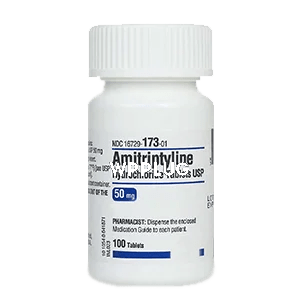
amitriptyline
Amitriptyline is a tricyclic antidepressant (TCA) with a complex pharmacological profile that extends far beyond its original indication for major depressive disorder. In clinical practice, we’ve found its real value lies in managing chronic pain conditions and certain neurological disorders, often at much lower doses than used for depression. The drug’s multi-receptor activity—primarily inhibiting serotonin and norepinephrine reuptake while blocking histamine H1, muscarinic, and alpha-1 adrenergic receptors—creates both therapeutic benefits and challenging side effect profiles that require careful clinical navigation.
Anafranil: Potent OCD Symptom Control Through Serotonin Modulation - Evidence-Based Review
Anafranil, known generically as clomipramine hydrochloride, is a tricyclic antidepressant (TCA) belonging to the dibenzazepine class. It’s primarily indicated for the treatment of obsessive-compulsive disorder (OCD), acting as a potent serotonin reuptake inhibitor. Its significance in modern psychopharmacology stems from its robust efficacy in treatment-resistant OCD cases, often where SSRIs have failed. The drug’s multifaceted mechanism also lends itself to off-label uses in depression, panic disorder, and certain chronic pain conditions, making it a versatile tool in clinical psychiatry.
combipres
Combipres represents one of those interesting clinical tools that sits at the intersection of conventional pharmacology and complementary approaches. It’s essentially a fixed-dose combination product containing clonidine hydrochloride and chlorthalidone, primarily indicated for hypertension management. What makes it particularly valuable in practice is its dual mechanism – addressing both central sympathetic outflow and volume overload, which are two key pathophysiological pathways in hypertension. I’ve found it especially useful in patients who need more than monotherapy but aren’t quite ready for the full traditional stepped-care approach.
cymbalta
Duloxetine hydrochloride, marketed under the brand name Cymbalta, represents a significant class of medication known as a serotonin and norepinephrine reuptake inhibitor (SNRI). It’s not a dietary supplement or medical device but a prescription pharmaceutical primarily indicated for major depressive disorder (MDD), generalized anxiety disorder (GAD), and several chronic pain conditions like diabetic peripheral neuropathic pain and fibromyalgia. Its development marked a shift from older antidepressants by targeting two key neurotransmitters simultaneously, which offered a different efficacy and side effect profile that we’ve found particularly useful in patients with comorbid pain and mood symptoms.
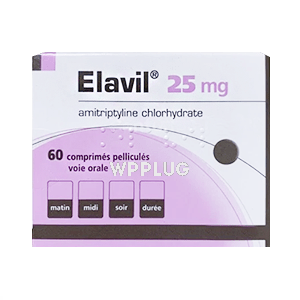
elavil
Amitriptyline, marketed under the brand name Elavil among others, is a tricyclic antidepressant (TCA) with a long and complex history in clinical practice. It’s a medication I’ve prescribed for decades, not just for its original indication for major depressive disorder, but for numerous off-label uses where its unique pharmacology provides benefits newer medications sometimes can’t match. The reality is, despite the proliferation of SSRIs and SNRIs, this old workhorse remains remarkably relevant, particularly in pain management and certain sleep disorders.
endep
Amitriptyline, marketed under the brand name Endep among others, is a tricyclic antidepressant (TCA) with a complex pharmacological profile that extends far beyond its original psychiatric indications. First synthesized in the 1960s, it has established itself as a versatile agent in the therapeutic arsenal, particularly for chronic pain conditions and migraine prophylaxis, where its utility often surpasses its antidepressant effects. Its mechanism, primarily through the inhibition of serotonin and norepinephrine reuptake, along with antagonism at various receptors, creates a multifaceted approach to symptom management.
Flexeril: Targeted Muscle Relaxation for Acute Musculoskeletal Pain - Evidence-Based Review
Cyclobenzaprine hydrochloride - a centrally-acting skeletal muscle relaxant that’s been in our toolkit since the 1970s, though it’s often misunderstood as just another muscle relaxer. What makes Flexeril different from other agents in its class is its tricyclic structure, sharing chemical similarities with antidepressants like amitriptyline, which explains both its therapeutic effects and some of its more challenging side effect profiles. We typically reach for it when dealing with acute musculoskeletal conditions where muscle spasm is a significant component of the pain experience, particularly in cases where nonsteroidal anti-inflammatories alone haven’t provided adequate relief.
Pamelor: Effective Relief for Depression and Neuropathic Pain - Evidence-Based Review
Pamelor, known generically as nortriptyline, is a tricyclic antidepressant (TCA) primarily prescribed for major depressive disorder but also widely used off-label for chronic neuropathic pain, migraine prophylaxis, and smoking cessation. It functions by inhibiting the reuptake of norepinephrine and, to a lesser extent, serotonin, in the central nervous system, which modulates mood and pain perception pathways. Available in oral capsule form, typically 10 mg, 25 mg, 50 mg, and 75 mg strengths, Pamelor has a well-established role in clinical practice due to its efficacy, especially in patients who haven’t responded to SSRIs.
Paroxetine: Effective Management of Depression and Anxiety Disorders - Evidence-Based Review
Paroxetine hydrochloride is a selective serotonin reuptake inhibitor (SSRI) antidepressant medication, not a dietary supplement or medical device. Marketed under brand names like Paxil and Brisdelle, it’s prescribed primarily for major depressive disorder, various anxiety disorders, and other psychiatric conditions. As an SSRI, it works by increasing serotonin levels in the brain, which helps regulate mood, anxiety, and emotions. The medication comes in immediate-release and controlled-release formulations, with dosing carefully titrated based on individual patient response and tolerability.