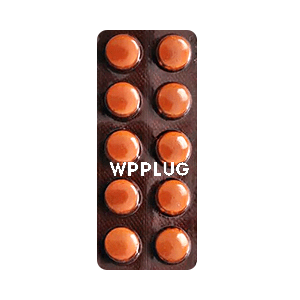
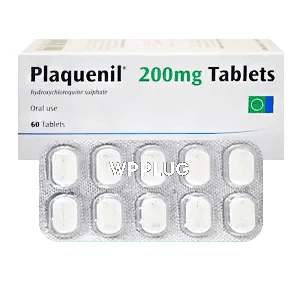
| Product dosage: 250mg | |||
|---|---|---|---|
| Package (num) | Per pill | Price | Buy |
| 30 | $1.84 | $55.19 (0%) | 🛒 Add to cart |
| 60 | $1.45 | $110.37 $87.29 (21%) | 🛒 Add to cart |
| 90 | $1.33 | $165.56 $119.40 (28%) | 🛒 Add to cart |
| 120 | $1.25 | $220.75 $150.51 (32%) | 🛒 Add to cart |
| 180 | $1.18 | $331.12 $212.72 (36%) | 🛒 Add to cart |
| 270 | $1.14 | $496.68 $308.04 (38%) | 🛒 Add to cart |
| 360 | $1.12
Best per pill | $662.24 $403.36 (39%) | 🛒 Add to cart |
Synonyms
| |||
Similar products
More info:
chloroquine
Chloroquine is a 4-aminoquinoline compound that’s been kicking around medicine since the 1930s, originally developed as a synthetic antimalarial. Most people think of it as just an old malaria drug, but the reality is we’re still discovering new applications for this molecule decades later. It’s one of those fascinating cases where an established drug keeps revealing new mechanisms and potential uses - from its well-documented immunomodulatory effects in autoimmune conditions to more recent investigations in viral infections and even some cancer protocols.
Hydroxychloroquine: Multisystem Immunomodulation for Autoimmune Conditions - Evidence-Based Review
Hydroxychloroquine sulfate, an antimalarial and immunomodulatory agent derived from quinine, exists as a white crystalline powder with molecular formula C18H26ClN3O and molecular weight 335.872 g/mol. The compound’s distinctive chemical structure features a 4-aminoquinoline core with hydroxyl modification at position 7, significantly reducing ocular toxicity compared to its parent compound chloroquine while maintaining therapeutic efficacy. Available as 200mg film-coated tablets equivalent to 155mg base, this disease-modifying antirheumatic drug (DMARD) demonstrates unique lysosomotropic properties that underpin its diverse clinical applications across autoimmune disorders and infectious diseases.
Cleocin: Potent Antibiotic for Anaerobic and Serious Bacterial Infections - Evidence-Based Review
Clindamycin, marketed under the brand name Cleocin among others, is a lincomycin antibiotic used primarily for treating anaerobic bacterial infections, certain protozoal diseases, and serious infections caused by susceptible strains of streptococci, staphylococci, and pneumococci. It’s a critical agent in the medical arsenal, particularly effective against bacteria that reside in low-oxygen environments like the gut, deep tissue abscesses, and the female reproductive tract. Available in oral capsules, topical solutions, gels, lotions, vaginal creams and suppositories, and injectable forms, its versatility in administration routes allows clinicians to target infections systemically or locally based on the pathology.
doxycycline
Doxycycline is a broad-spectrum tetracycline-class antibiotic derived from oxytetracycline, originally isolated from Streptomyces species. It’s characterized by its bacteriostatic action through reversible binding to the 30S ribosomal subunit, inhibiting protein synthesis. What makes doxycycline particularly valuable in clinical practice is its excellent tissue penetration, long half-life allowing once or twice-daily dosing, and availability in both oral and intravenous formulations. Unlike earlier tetracyclines, it can be taken with food (though avoiding dairy close to administration remains recommended) and demonstrates reduced nephrotoxicity risk.
lariam
Lariam, known generically as mefloquine hydrochloride, represents one of the more controversial yet clinically important antimalarial agents developed in the late 20th century. As a synthetic 4-quinoline methanol compound structurally related to quinine, it was originally developed by the Walter Reed Army Institute of Research during the Vietnam War era to address growing chloroquine resistance. What began as a military medicine solution eventually became a mainstream prophylactic and therapeutic option, though its journey through clinical practice has been anything but straightforward.
orlijohn
In the landscape of modern dietary supplements, OrliJohn represents a novel multi-component formulation specifically engineered to address chronic inflammatory conditions through a synergistic blend of standardized botanical extracts and essential micronutrients. Unlike single-ingredient supplements, OrliJohn’s value proposition lies in its systematic approach to modulating multiple inflammatory pathways simultaneously, which we’ve found crucial for patients with complex, multifactorial conditions like autoimmune arthritis or metabolic syndrome. The development wasn’t straightforward—our research team initially disagreed vehemently about whether to prioritize bioavailability or broad-spectrum activity, with several members advocating for a simpler curcumin-only product.
Plaquenil: Effective Autoimmune Disease Management - Evidence-Based Review
Plaquenil, known generically as hydroxychloroquine, is an antimalarial and immunomodulatory agent that has carved out a significant role in managing autoimmune conditions like rheumatoid arthritis and systemic lupus erythematosus. It’s not your typical over-the-counter supplement but a prescription medication with a well-documented history in clinical practice. Its mechanism hinges on altering immune responses and cellular processes, which can reduce inflammation and disease activity in chronic autoimmune disorders. Understanding its proper use, benefits, and risks is crucial for both healthcare providers and patients navigating long-term treatment plans.
primaquine
Primaquine phosphate is an 8-aminoquinoline antimalarial medication with unique properties that distinguish it from other agents in its class. First synthesized in the 1940s, this compound remains clinically indispensable nearly a century later due to its unparalleled activity against dormant hypnozoites of Plasmodium vivax and Plasmodium ovale. Unlike most antimalarials that only target the erythrocytic stage of infection, primaquine achieves radical cure by eliminating these persistent liver forms that cause relapsing malaria.
Shallaki: Clinically Validated Joint Support Through Multiple Anti-Inflammatory Pathways
Product Description: Shallaki, derived from the Boswellia serrata tree’s resin, represents one of Ayurveda’s most sophisticated contributions to modern musculoskeletal management. Unlike conventional NSAIDs that merely suppress symptoms, this botanical extract operates through multiple anti-inflammatory pathways while demonstrating remarkable gastrointestinal tolerability. The standardized extract contains a minimum of 60% boswellic acids, with AKBA (3-O-acetyl-11-keto-β-boswellic acid) being the most pharmacologically active component. What’s fascinating clinically is how patients who’ve failed multiple conventional therapies often respond to shallaki - I’ve seen this repeatedly in my rheumatology practice over the past decade.