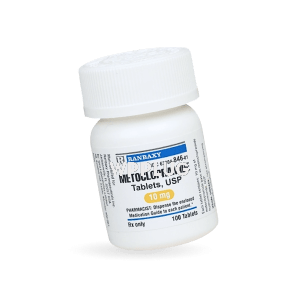
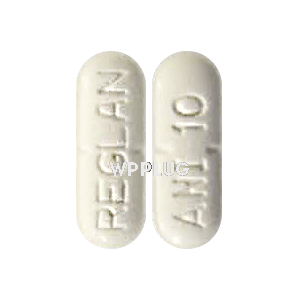
Metoclopramide is a dopamine receptor antagonist and 5-HT4 receptor agonist primarily used as an antiemetic and gastroprokinetic agent. First synthesized in 1964, this medication has become a cornerstone in managing nausea, vomiting, and gastroparesis across various clinical settings. Its unique dual mechanism sets it apart from other gastrointestinal medications, though it carries significant neurological risks that require careful patient selection. 1. Introduction: What is Metoclopramide? Its Role in Modern Medicine What is metoclopramide used for?
Compazine, known generically as prochlorperazine, is a phenothiazine derivative primarily used as an antiemetic and antipsychotic agent. This prescription medication has been a cornerstone in managing severe nausea, vomiting, and certain psychiatric conditions since its introduction. Available in tablet, syrup, suppository, and injectable forms, it works by blocking dopamine receptors in the brain’s chemoreceptor trigger zone and vomiting center. While effective, its use requires careful consideration of potential side effects like extrapyramidal symptoms and contraindications such as pediatric use in vomiting illnesses.
Dostinex, known generically as cabergoline, is a potent dopamine receptor agonist medication primarily indicated for hyperprolactinemic disorders. Manufactured by Pfizer, this ergot-derived compound represents one of the most effective pharmacological tools for managing prolactin-secreting pituitary adenomas and related conditions. Unlike bromocriptine, its predecessor, dostinex demonstrates superior tolerability and extended duration of action, making it a cornerstone in neuroendocrine therapeutics. 1. Introduction: What is Dostinex? Its Role in Modern Medicine Dostinex occupies a unique position in endocrine pharmacology as a selective D2 dopamine receptor agonist with exceptional affinity for pituitary lactotroph cells.
Erythromycin is a macrolide antibiotic derived from Streptomyces erythreus, first isolated in 1952. It represents one of the oldest classes of antibiotics still in clinical use today, primarily valued for its activity against Gram-positive bacteria and some atypical pathogens. Available in oral, topical, and intravenous formulations, erythromycin occupies a unique therapeutic niche between penicillin and newer macrolides like azithromycin. Its mechanism involves reversible binding to the 50S ribosomal subunit, inhibiting bacterial protein synthesis.
Fosfomycin is a broad-spectrum bactericidal antibiotic with a unique chemical structure and mechanism of action, originally isolated from strains of Streptomyces. It’s primarily used to treat uncomplicated urinary tract infections (UTIs), particularly those caused by Escherichia coli and Enterococcus faecalis. What makes fosfomycin stand out in our increasingly challenging antimicrobial landscape is its activity against multidrug-resistant pathogens and its minimal cross-resistance with other antibiotic classes. Available as fosfomycin tromethamine in oral formulation and fosfomycin disodium for intravenous administration, this agent represents an important tool when first-line options fail or can’t be used.
Let me walk you through what we’ve learned about Kytril over the years - not from the package insert, but from actually using it in clinical practice. When granisetron first hit our formulary back in the late 90s, we were all skeptical about another 5-HT3 antagonist. We’d been using ondansetron with decent results, but the pharmacy committee was pushing this new option that supposedly had better receptor binding affinity. The first thing that struck me was the pharmacokinetic profile - that 6-hour half-life meant we could space doses further apart than with older agents.
Let me walk you through what we’ve learned about Motilium over the years - not just from the package insert, but from actually using it in clinical practice. When domperidone first came across my desk back in the late 90s, I’ll admit I was skeptical. Another prokinetic agent? We already had metoclopramide causing all those extrapyramidal side effects that kept me up at night worrying. But this domperidone compound seemed different right from the start - it didn’t cross the blood-brain barrier easily, which meant fewer of those dreadful dystonic reactions we’d see with Reglan.
Phenergan, known generically as promethazine, is a first-generation antihistamine of the phenothiazine class that has been a staple in clinical practice since the mid-20th century. It’s primarily used for its potent antiemetic, sedative, and antihistaminic properties, though its applications have expanded significantly over decades of use. What’s fascinating is how this old drug keeps finding new relevance despite newer agents entering the market – there’s something about its reliability that keeps clinicians coming back to it.
Promethazine is a first-generation phenothiazine derivative with potent antihistaminic, antiemetic, and sedative properties. It’s been a workhorse in clinical medicine since the 1950s, originally developed as an antihistamine before we discovered its broader applications. What’s fascinating is how this old drug keeps finding new relevance - from managing postoperative nausea to being part of palliative care protocols. The molecular structure features the characteristic tricyclic phenothiazine ring system, which is crucial for its dopamine receptor antagonism.