| Product dosage: 20mg | |||
|---|---|---|---|
| Package (num) | Per pill | Price | Buy |
| 60 | $0.72 | $43.13 (0%) | 🛒 Add to cart |
| 90 | $0.67 | $64.69 $60.18 (7%) | 🛒 Add to cart |
| 120 | $0.64 | $86.25 $76.22 (12%) | 🛒 Add to cart |
| 180 | $0.61 | $129.38 $109.32 (16%) | 🛒 Add to cart |
| 270 | $0.59 | $194.07 $159.47 (18%) | 🛒 Add to cart |
| 360 | $0.58
Best per pill | $258.76 $209.62 (19%) | 🛒 Add to cart |
Synonyms
| |||
Similar products
More info:
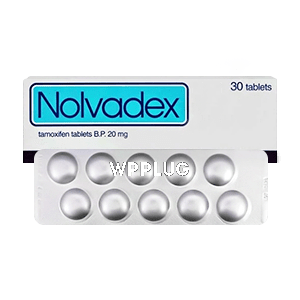
Tamoxifen: Comprehensive Estrogen Receptor Modulation for Breast Cancer Management - Evidence-Based Review
Tamoxifen citrate represents one of those fascinating compounds that bridges multiple therapeutic domains - originally developed as a fertility treatment in the 1960s, it ironically became one of our most important breast cancer weapons. The molecule’s journey from failed contraceptive to cornerstone oncology agent tells you everything about how unpredictable drug development can be. What we have today is a selective estrogen receptor modulator (SERM) that’s saved countless lives, though the mechanism still surprises us sometimes.
androxal
Androxal represents one of the more interesting developments in men’s health therapeutics over the past decade. Unlike traditional testosterone replacement therapies that simply add exogenous hormone to the system, this selective estrogen receptor modulator (SERM) takes a fundamentally different approach by stimulating the body’s own testosterone production pathways. The compound’s active pharmaceutical ingredient, enclomiphene citrate, is the trans-isomer of clomiphene that specifically targets estrogen receptors in the pituitary gland without the mixed agonist-antagonist effects that complicated earlier SERM applications.
arimidex
Anastrozole, marketed under the brand name Arimidex, represents a cornerstone in the endocrine therapy arsenal for hormone receptor-positive breast cancer. As a non-steroidal aromatase inhibitor, it fundamentally alters the hormonal landscape in postmenopausal women by blocking the conversion of androgens to estrogens in peripheral tissues. I’ve watched this medication evolve from a novel agent to standard-of-care over my twenty-three years in oncology practice, and its impact on disease-free survival remains nothing short of remarkable.
aromasin
Aromasin, known generically as exemestane, is an oral steroidal aromatase inactivator used primarily in postmenopausal women with hormone receptor-positive early or advanced breast cancer. Unlike earlier anti-estrogen therapies that simply blocked estrogen receptors, Aromasin permanently deactivates the aromatase enzyme responsible for converting androgens into estrogen throughout the body. This represents a significant advancement in endocrine therapy, particularly for women who have developed resistance to tamoxifen or other selective estrogen receptor modulators.
chloroquine
Chloroquine is a 4-aminoquinoline compound that’s been kicking around medicine since the 1930s, originally developed as a synthetic antimalarial. Most people think of it as just an old malaria drug, but the reality is we’re still discovering new applications for this molecule decades later. It’s one of those fascinating cases where an established drug keeps revealing new mechanisms and potential uses - from its well-documented immunomodulatory effects in autoimmune conditions to more recent investigations in viral infections and even some cancer protocols.
Evista: Bone Density Protection and Breast Cancer Risk Reduction - Evidence-Based Review
Evista, known generically as raloxifene hydrochloride, is a selective estrogen receptor modulator (SERM) prescribed primarily for the prevention and treatment of osteoporosis in postmenopausal women. It mimics estrogen’s beneficial effects on bone density while blocking its negative impacts on breast and uterine tissue, offering a targeted approach to managing bone health without the risks associated with traditional hormone replacement therapy. Initially developed by Eli Lilly and approved by the FDA in the late 1990s, Evista has become a cornerstone in osteoporosis management, particularly for women at heightened risk for breast cancer.
Femara: Advanced Aromatase Inhibition for Hormone-Sensitive Cancers - Evidence-Based Review
Let me walk you through our experience with Femara over the past decade. When we first started using letrozole in our oncology practice back in 2013, we were primarily using it for postmenopausal breast cancer patients - that’s the standard indication, of course. But what surprised me was how we gradually discovered its utility across multiple clinical scenarios, some of which weren’t even in the original prescribing information. I remember our team initially being quite divided about using it off-label - Dr.
Fluoxetine: Evidence-Based Treatment for Depression and Related Conditions - Comprehensive Review
Fluoxetine, a selective serotonin reuptake inhibitor (SSRI), represents one of the most extensively studied and widely prescribed antidepressants in modern psychopharmacology. Initially approved by the FDA in 1987, this molecule fundamentally changed depression treatment paradigms and expanded into numerous psychiatric and even some off-label uses. What’s fascinating isn’t just its mechanism—which we’ll explore in depth—but how its clinical application has evolved through decades of real-world experience across millions of patients worldwide.
Hydroxychloroquine: Multisystem Immunomodulation for Autoimmune Conditions - Evidence-Based Review
Hydroxychloroquine sulfate, an antimalarial and immunomodulatory agent derived from quinine, exists as a white crystalline powder with molecular formula C18H26ClN3O and molecular weight 335.872 g/mol. The compound’s distinctive chemical structure features a 4-aminoquinoline core with hydroxyl modification at position 7, significantly reducing ocular toxicity compared to its parent compound chloroquine while maintaining therapeutic efficacy. Available as 200mg film-coated tablets equivalent to 155mg base, this disease-modifying antirheumatic drug (DMARD) demonstrates unique lysosomotropic properties that underpin its diverse clinical applications across autoimmune disorders and infectious diseases.